Tokenized Real Estate in Thailand: 5 Red Flags Every Investor Must Know in 2026
International investors lost more than $12 million to fraudulent tokenized real estate projects across Southeast Asia in recent years, with a significant share of victims purchasing so-called 'digital shares' in Phuket and Bangkok condominiums that either did not exist or had no genuine connection to the developers being impersonated.
Responsible for content: Leonid Ustinov, Aster Of Asia Co., Ltd.
This material was prepared with the help of artificial intelligence. Please check key figures and terms with our adviser.
Shortlist by Aster of AsiaAll our services are free for the buyer
- Goal
- Home
- Budget
- Area
- Timing
Step 1 of 5
Why are you buying?
Your goal decides what we show first
5 questions, about a minute
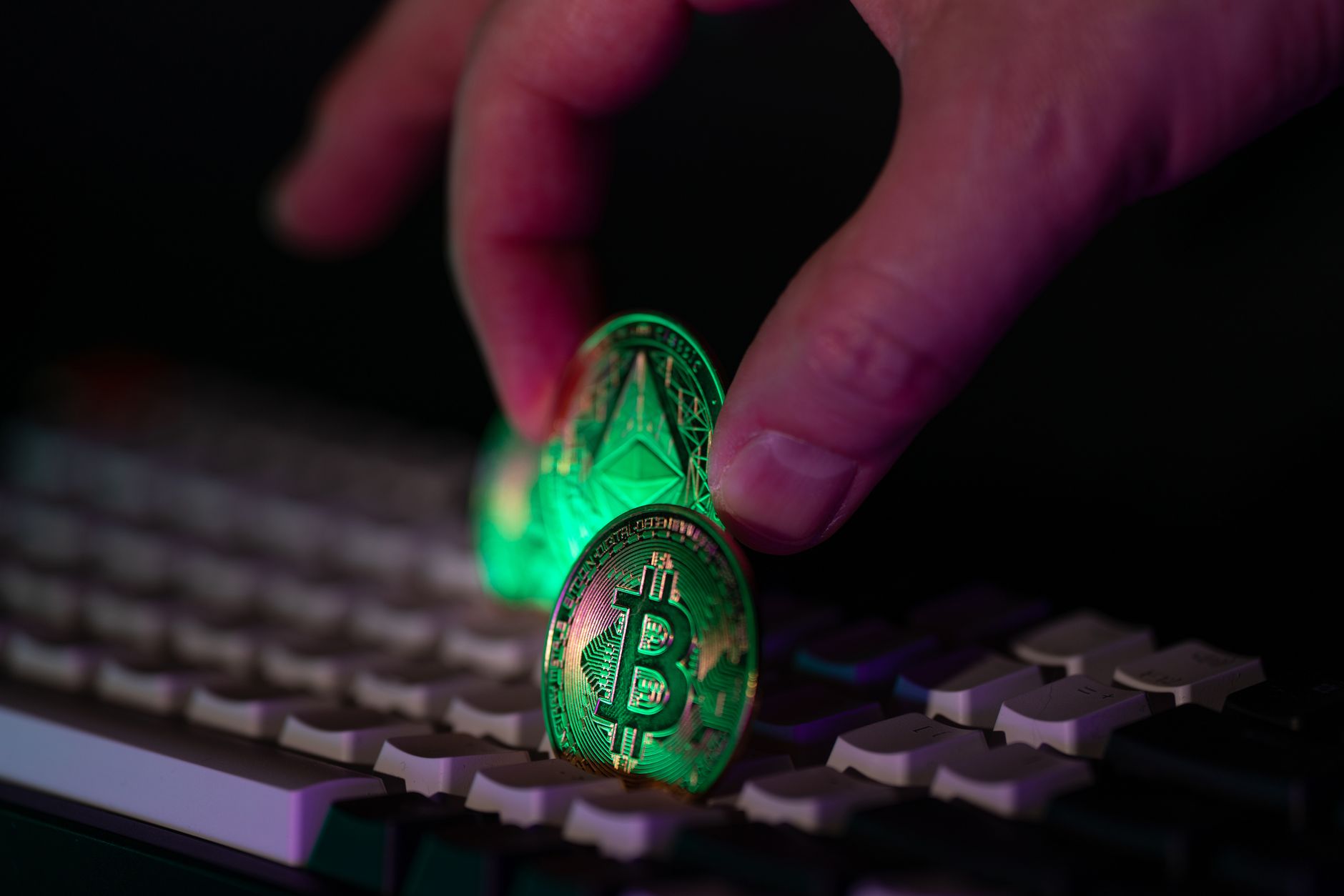
Real estate tokenization is a mechanism where ownership rights - or a fractional share of them - are recorded as a digital token on a blockchain. In theory, this lowers the investment threshold dramatically: instead of committing $200,000 for a studio unit, a buyer can acquire a 'share' for $5,000 to $10,000. In practice, Thailand's tokenization market remains minimally regulated, and bad actors are exploiting that gap with alarming efficiency.
The problem is not the technology itself. The core issue is that token buyers frequently receive neither genuine property rights nor a legally enforceable contract under Thai law.
Quick Answer
- Thailand's SEC (Securities and Exchange Commission) has licensed only 4 platforms to issue investment tokens as of 2026 (source: sec.or.th)
- More than 90% of projects advertised in Telegram groups and online forums as 'tokenized real estate' hold no SEC Thailand license
- The minimum investment size on legitimate tokenized platforms typically starts at 300,000 Thai Baht (approximately $8,500)
- Thai law does not recognize a token as a title document for real estate - ownership requires a Chanote (title deed) or a lease agreement registered with the Land Department
- Promised yields of 18 to 25% per year advertised by fraudulent schemes are 3 to 4 times higher than realistic rental yields even at Phuket's premium end
- If you purchase a token from an unlicensed platform, you have no right to seek regulatory protection from SEC Thailand
Scenarios and Options
Scenario 1: Completely Fictional Project
The most straightforward fraud, yet still widely encountered. Scammers build a website with polished renders of a non-existent condominium, issue tokens on a low-cost blockchain (typically BNB Chain or Polygon), and sell 'shares' through Telegram channels and social media.
How to identify it: Request the project's EIA (Environmental Impact Assessment) approval number from the developer. Any development exceeding 80 units in Phuket is legally required to complete an EIA. No EIA number means no real project.
Scenario 2: Real Property, Fabricated Partnership
This variant is more sophisticated. Fraudsters identify a legitimate, actively marketed condominium project in Bangkok or Phuket, copy its official renders and documentation, then sell tokens while claiming to 'partner with the developer.' The actual developer has no knowledge of this arrangement whatsoever.
How to identify it: Contact the developer's official sales office directly and ask whether a specific token project has been authorized. In every verified case, the answer is no.
Scenario 3: Licensed Platform, Weak Legal Structure
This is the grey zone. A platform may carry a valid SEC Thailand license, yet the contract between the investor and the management company is drafted so loosely that your actual rights remain undefined. You receive a token representing a 'share in revenues' - not a share in the underlying asset. If the management company becomes insolvent, your token becomes a line entry in a creditor register.
How to identify it: Request the full Subscription Agreement and have a qualified Thai lawyer review it. Look specifically for whether the token grants rights to a share in the asset itself (equity) or only to a share of revenue (revenue share). These are fundamentally different positions.
Scenario 4: Legitimate Tokenization Through a Licensed ICO Portal
According to SEC Thailand data, a small number of licensed ICO portals are operational as of 2026. Tokens issued through these platforms are governed by the Digital Asset Decree B.E. 2561 and subject to regulatory oversight. This is the only scenario where a meaningful level of investor protection exists. Even here, it is essential to review the legal structure, the SPV documentation, and the exit mechanisms before committing capital.
Comparison Table
| Parameter | Fictitious Project | Real Asset, No Verified Link | Licensed Platform, Weak Contract | Legal Token via SEC |
|---|---|---|---|---|
| SEC Thailand License | None | None | Yes | Yes |
| Underlying Asset Exists | No | Yes, but unconnected | Yes | Yes |
| Ownership Rights | None | None | Revenue share only | Equity in asset or SPV |
| Promised Yield | 20 to 30% | 15 to 25% | 8 to 15% | 5 to 8% |
| Realistic Yield | -100% (total loss) | -100% | 0 to 5% | 4 to 7% |
| Typical Entry Amount | $500 to $5,000 | $1,000 to $10,000 | $5,000 to $50,000 | $8,500+ |
| Recourse if Dispute | Virtually none | None | Court action (slow, costly) | SEC complaint and court |
Main Risks and Mistakes
1. Confusing a blockchain record with legal title. A token on a blockchain is an entry in a distributed ledger. Under Thai law, property ownership is established only through registration at the Land Department. No smart contract replaces that process.
Budget match
We will shortlist properties for your budget
Pick a range and leave a contact: a broker will send a shortlist with prices, layouts and payment plans.
2. Accepting promises of guaranteed returns. No legitimate investment product in Thailand can legally guarantee a fixed annual return. If someone offers you 'guaranteed 15% per year,' you are speaking with either a fraudster or a company operating outside legal boundaries.
3. Ignoring the jurisdiction of registration. Many token platforms are incorporated in the British Virgin Islands, Panama, or the Seychelles. In the event of a dispute, litigation must occur in the company's country of registration - not in Thailand. The cost of initiating such proceedings starts at approximately $50,000, making recovery economically unviable for most retail investors.
4. Relying on influencer recommendations. Multiple social media figures have actively promoted tokenized projects in exchange for commissions of 10 to 15% on invested capital. When several of these projects collapsed, the promotional content was quietly deleted and investors were left with no recourse.
5. Failing to verify the SPV structure. Legitimate tokenization operates through an SPV (Special Purpose Vehicle) - a Thai company that legally holds the property. The token represents a share in that company. If the SPV is not registered with Thailand's Department of Business Development (DBD), the entire structure is legally meaningless.
The 5 Red Flags - A Quick Checklist
- No SEC Thailand license. Verify the platform at sec.or.th under Digital Asset Businesses. If it is not listed, do not invest.
- Yield promises above 10% per year. Average rental yields for Bangkok condominiums are 4 to 6%, and Phuket premium properties deliver 5 to 8%. Anything materially higher demands a detailed, documented explanation.
- No Subscription Agreement in English or Thai. If you are only provided a contract in a third language without an original in the jurisdiction's official language, treat this as a serious warning sign.
- Artificial urgency. Phrases such as 'only 3 tokens remaining' or 'price increases in 48 hours' are classic high-pressure sales tactics with no place in a legitimate investment product.
- Anonymous team. Verify founders through LinkedIn, DBD Thailand records, and - where a UK jurisdiction is claimed - Companies House. Fraudulent projects frequently use stock photography in their 'team' sections.
FAQ
What Should Investors Do in 2026?
If the concept of fractional digital ownership in Thai property appeals to you, start with one simple step: verify the platform's license at sec.or.th. If the platform does not appear in the registry, close the page.
For the majority of private international investors, direct freehold purchase of a condominium unit remains the clearest, most legally protected, and most liquid method of gaining exposure to Thai real estate. You receive a Chanote registered with the Land Department - not a blockchain entry that may ultimately represent nothing.
Ready to invest in Thailand? Our experts will help you find the perfect property.
Area match
We will help you choose an area for your goals
We will match properties where it suits you, with schools, clinics and shops nearby. You will get options with prices and layouts.
More in Buying risks
All articles in this topic
Usufruct and Superficies in Thailand: 7 Risks Sellers Never Mention
Usufruct and superficies in Thailand explained for foreign investors in 2026 - legal risks, term limits, registration rules, and a full comparison table.

True Cost of Owning a Villa in Phuket: Hidden Expenses Up to 800,000 THB a Year
Full breakdown of Phuket villa maintenance costs in 2026: pool, garden, electricity, management fees, and termite treatment. Budget 400K-800K THB per year.
Off-Plan Deposit in Thailand: 9 Risks Brokers Rarely Mention
Discover 9 critical risks of off-plan deposits in Thailand that brokers rarely disclose. Legal facts, comparison table, and expert checklist for 2026.