Small vs Large Condo Projects in Phuket: 9 Key Differences Every Investor Should Know in 2026
On Phuket, boutique condominiums of 20 units and mega-developments of 800+ apartments are being built side by side. The difference between them goes far beyond the number of floors. It shapes your rental yield, liquidity, maintenance costs, and even your legal exposure.
Responsible for content: Leonid Ustinov, Aster Of Asia Co., Ltd.
This material was prepared with the help of artificial intelligence. Please check key figures and terms with our adviser.
Shortlist by Aster of AsiaAll our services are free for the buyer
- Goal
- Home
- Budget
- Area
- Timing
Step 1 of 5
Why are you buying?
Your goal decides what we show first
5 questions, about a minute
An investor who ignores this distinction risks buying a studio in a project where, three years after handover, the management company has dissolved, the pool is neglected, and no buyer can be found. Or the opposite: overpaying for a large developer's brand and netting 4% per year instead of a realistic 7%.
This guide breaks down which condo format works best for specific investment goals, with real numbers, risk factors, and a practical checklist.
Quick Answer
- Small project (under 50 units) - typically boutique condos in Rawai, Nai Harn, and Kamala. Entry price from 3.5-4 million THB for a 30 sqm studio. Potential net rental yield of 6-8% per year with professional management.
- Large project (150+ units) - complexes in Bang Tao, Laguna, and Surin. Average studio from 5-7 million THB. Rental yield typically 4-6%, but secondary market liquidity is considerably higher.
- CAM fees (common area maintenance) in small projects run 40-60 THB/sqm/month; in large developments with full amenities, 50-90 THB/sqm/month.
- The foreign freehold quota fills faster in small projects. In a 20-unit building, the 49% foreign ownership cap means just 9-10 available freehold units.
- According to Colliers Thailand, the average resale timeline for condo units in large Phuket projects is 8-14 months; in small projects it stretches to 14-24 months.
- Large projects more commonly offer guaranteed rental programs. Small projects typically operate through independent property management companies.
Scenarios and Options
Scenario 1 - Budget under 5 million THB, goal: maximum rental yield
A small boutique project in Nai Harn or Rawai offers a stronger net yield. The core reason is the lower price per square meter at the construction stage - from 90,000-110,000 THB/sqm versus 130,000-180,000 THB/sqm in large Laguna-area complexes. Meanwhile, short-term rental rates during high season (November to April) for a 30 sqm studio are similar in both settings: 1,500-2,500 THB per night. The math is straightforward - the lower your entry cost, the higher your return percentage.
The risk: if a small developer exits the market, building management falls to the juristic person entity formed by the owners. With 20 unit holders from different countries, coordinating decisions becomes genuinely difficult.
Scenario 2 - Budget 7-15 million THB, goal: capital preservation and resale
A large project by a recognized developer suits this goal best. Secondary market liquidity is significantly stronger. Buyers from China, Hong Kong, and Singapore gravitate toward recognizable brand names. Market estimates suggest capital appreciation in large beachfront or beach-accessible projects on Phuket's west coast runs at 5-8% per year.
An added advantage: large complexes typically include a full fitness center, restaurant, co-working space, and staffed reception lobby. This draws digital nomad tenants and pushes average rental rates higher.
Scenario 3 - Personal residence (6 or more months per year)
For owner-occupiers, small projects win on daily comfort. Fewer people at the pool, quieter surroundings, and a genuinely residential atmosphere. Large complexes in high season can feel like an all-inclusive resort - queues for the gym and noisy pool-bar events are common.
However, large projects win on convenience infrastructure: on-site convenience stores, laundry facilities, children's playgrounds, and secured parking.
Scenario 4 - Pre-sale entry with assignment resale before completion
Large developers launch pre-sales at discounts of 10-15% below the final list price. Small projects may offer 15-25% pre-sale discounts, but finding an assignment buyer is harder because the pool of interested purchasers is much narrower for less-known developments.
| Parameter | Small Project (under 50 units) | Mid-Size Project (50-150 units) | Large Project (150+ units) |
|---|---|---|---|
| Off-plan price per sqm | 90,000-120,000 THB | 110,000-160,000 THB | 130,000-200,000 THB |
| Net rental yield | 6-8% | 5-7% | 4-6% |
| Average resale timeline | 14-24 months | 10-18 months | 8-14 months |
| CAM fee (THB/sqm/month) | 40-60 | 45-75 | 50-90 |
| Freehold units available to foreigners | 9-24 units | 24-70 units | 70-400 units |
| Property management | Independent or owner-run | Varies by developer | Developer-owned company |
| On-site amenities | Pool, parking | Pool, gym, parking | Pool, gym, restaurant, co-working, lobby |
| Construction completion risk | Higher | Medium | Lower |
| Annual capital appreciation (est.) | 3-6% | 4-7% | 5-8% |
Main Risks and Mistakes
1. Ignoring post-handover management in small projects. Two to three years after completion, a small developer may wind down operations entirely. If the condominium has no professional management company under a contract of at least five years, common area maintenance will deteriorate quickly. Always confirm who manages the building after handover and on what contractual terms.
Budget match
We will shortlist properties for your budget
Pick a range and leave a contact: a broker will send a shortlist with prices, layouts and payment plans.
2. Overestimating liquidity in large projects. A 500-unit development means 500 potential competitors when you want to sell. If 10% of owners decide to exit at the same time, prices can soften by 5-10% in that specific project.
3. Freehold quota already filled. In a 30-unit small project, foreigners can hold only 14 units as freehold. If the quota is gone, you will be offered leasehold - typically 30 years with extension options. Leasehold units resell at a 15-25% discount compared to freehold equivalents. Always verify remaining quota before paying a deposit.
4. CAM fees are not fixed. Even if the developer quotes 50 THB/sqm at the sales stage, the juristic person can raise this to 80 THB within a year following the annual owners' meeting. In small projects, just a few aligned owners can push through fee increases without broad consensus.
5. Missing the EIA requirement. In Thailand, projects of 80 units or more must complete an Environmental Impact Assessment. Smaller projects are often exempt, which speeds up construction but removes a layer of scrutiny. There is no guarantee that an adjacent plot will not become a construction site after you move in.
6. Buying on emotion in an attractive boutique project. A small pool, sunset views, and a designer lobby are genuinely appealing. But if the access road is narrower than six meters, emergency vehicles cannot reach the building. Always verify the construction permit (Ror. 4 document) and confirm access to utility connections before committing.
FAQ
Pre-Purchase Checklist: 5 Questions That Separate a Smart Deal from a Costly Mistake
- What percentage of the foreign freehold quota remains available?
- Who is the post-handover management company, and what is the duration of their contract?
- Does the project hold a hotel license permitting short-term rentals?
- What are the confirmed sinking fund contribution and monthly CAM fee figures?
- How many completed projects has this developer delivered on schedule in Phuket?
Answers to these five questions provide 80% of the information needed to make a sound investment decision. The remaining 20% comes down to location preference, views, and personal lifestyle priorities.
Ready to invest in Thailand? Our experts will help you find the perfect property.
Area match
We will help you choose an area for your goals
We will match properties where it suits you, with schools, clinics and shops nearby. You will get options with prices and layouts.
More in Property types
All articles in this topic
Villa or Townhouse in Phuket: What Families Are Choosing in 2026
Villa or townhouse in Phuket? Compare 2026 prices, running costs, rental yields, and ownership rules to find the right fit for your family.

Studio vs 1-Bedroom in Phuket: Which Earns More in 2026
Studio or 1-bedroom in Phuket: compare net yields, capital growth, payback periods, and risks for 2026 with real market data.
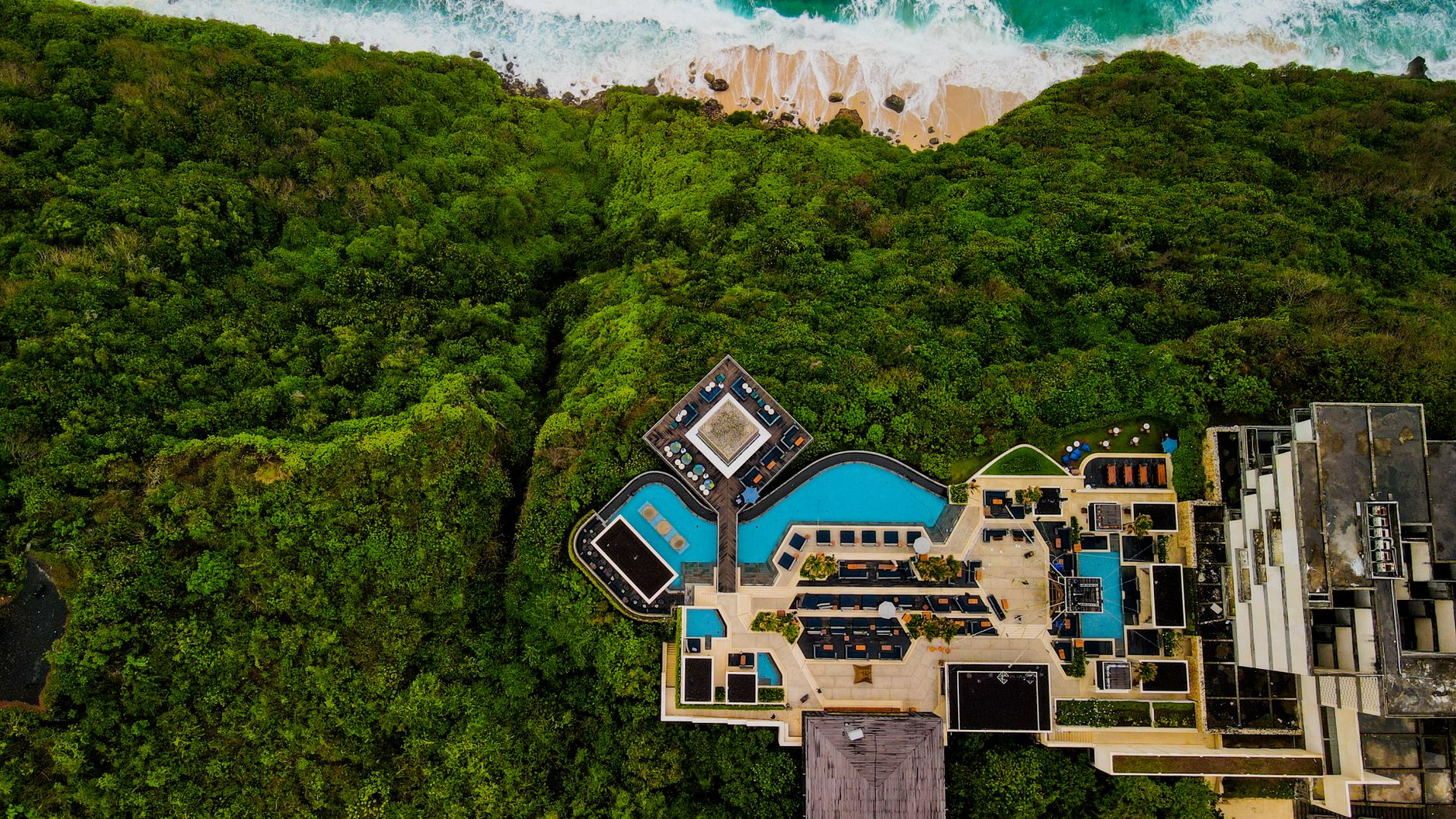
Branded Residences in Thailand: 5 Reasons Investors Pay 35% More
Branded residences in Thailand cost 35% more than standard condos. Here is why investors keep buying - yields, operators, risks, and a full comparison table.