5 Contract Traps in Phuket and Bangkok Property Deals: A Due Diligence Breakdown
A foreign investor buying a villa in Phuket for $1 million was about to sign three documents at once: a land lease, a freehold building agreement and a service agreement. During review, a lawyer found a clause under which a breach of any one contract gave the counterparty the right to terminate all three, including the land lease. The trigger could be as minor as late payment of a utility bill. An overdue water invoice put a million-dollar asset at risk.
Responsible for content: Leonid Ustinov, Aster Of Asia Co., Ltd.
This material was prepared with the help of artificial intelligence and checked by a person. Editorial responsibility: Aster Of Asia Co., Ltd.
Aster of Asia editorial team

Shortlist by Aster of AsiaAll our services are free for the buyer
- Goal
- Home
- Budget
- Area
- Timing
Step 1 of 5
Why are you buying?
Your goal decides what we show first
5 questions, about a minute
Why does contract due diligence matter when buying property in Thailand? Large losses for foreigners rarely start with a forged title. They come from perfectly legal, neatly drafted contracts that tilt heavily toward one side. Typical examples: cross-default clauses, a landlord's right to change the rent unilaterally, and penalties for the buyer with no penalties at all for the developer.
Every one of these terms is visible on paper before signing. In the cases below, they were removed or rebalanced through negotiation. In the Phuket deal, the cross-default clause was struck out and the villa stayed protected.
Quick Answer
- The biggest trap in a leasehold villa package is cross-default: a breach of the service agreement gives the right to terminate the land lease. In the $1 million Phuket deal, this clause was removed after negotiation.
- A land lease longer than 3 years must be registered at the Land Office. Without registration, under Section 538 of the Thai Civil and Commercial Code, it is enforceable only for up to 3 years. The maximum lease term under Section 540 is 30 years.
- Commercial lease in Bangkok: one contract combined an annual indexation of 10% with the landlord's right to revisit the rate every 18 months without consent. Once the rate was fixed, the tenant saved $5,000 per year.
- Off-plan condo contracts in Pattaya often penalize late buyer payments but contain no penalties for late delivery by the developer. This can be changed in negotiation.
- Business contracts around the property (brand licences, franchises) carry their own risks. In Koh Samui, reworking a licence agreement prevented potential losses of around $100,000.
- Market context for 2026: per Siam Legal Phuket, Russian condominium transactions in Thailand rose 33% year on year to 383 units, with total value up 69% to THB 1.66 billion. Phuket accounted for 156 units worth about THB 1.06 billion. Rising volumes make careful contract review more important, not less.
Main Risks and Mistakes
Cross-default in a villa contract package
For a foreigner in Phuket, this is the most dangerous clause. It deserves a closer look.

Why is a villa sold through three contracts at all? A foreigner cannot own land in Thailand but can own a building. So the deal is split: the land is leased for 30 years with registration at the Land Office, the house is registered in the buyer's name, and servicing goes into a separate agreement with a management company. Each document looks standard on its own. Lawyers who review only the land lease miss the key point: the link between the documents.
In the Phuket case, that link was hidden so that a breach of the service agreement opened the way to terminating the land lease. If the lease ends, ownership of the house is worth very little, because the building stands on land you no longer control. A million dollars depended on whether utility bills were paid on time.
Our view: in a leasehold villa package, read the service agreement first and the land lease second. The service contract seems secondary and is often signed without scrutiny, which makes it the most convenient place to plant a linking clause.
How to protect yourself: require each contract to expressly exclude cross-default. The land lease should terminate only on grounds stated in the lease itself. Also insist on a cure period, typically 30 days after written notice.
If you buy a completed freehold condo within the 49% foreign quota under the Condominium Act and pay the full amount at title transfer, this risk barely applies. You hold a single title, and that title is what you verify.
The 30+30+30 lease renewal promise
Sellers often market leasehold as 90 years. In practice, only 30 years can be registered, and Thai courts have more than once treated a renewal option as a personal obligation of the landlord. Whether such an option binds heirs or a new landowner depends on the wording and the specific structure. It is more honest to acknowledge that uncertainty than to promise an outcome.
How to protect yourself: value the property as a 30-year asset. Anything beyond that is a bonus, not part of the price.
Unilateral rent increases in commercial leases
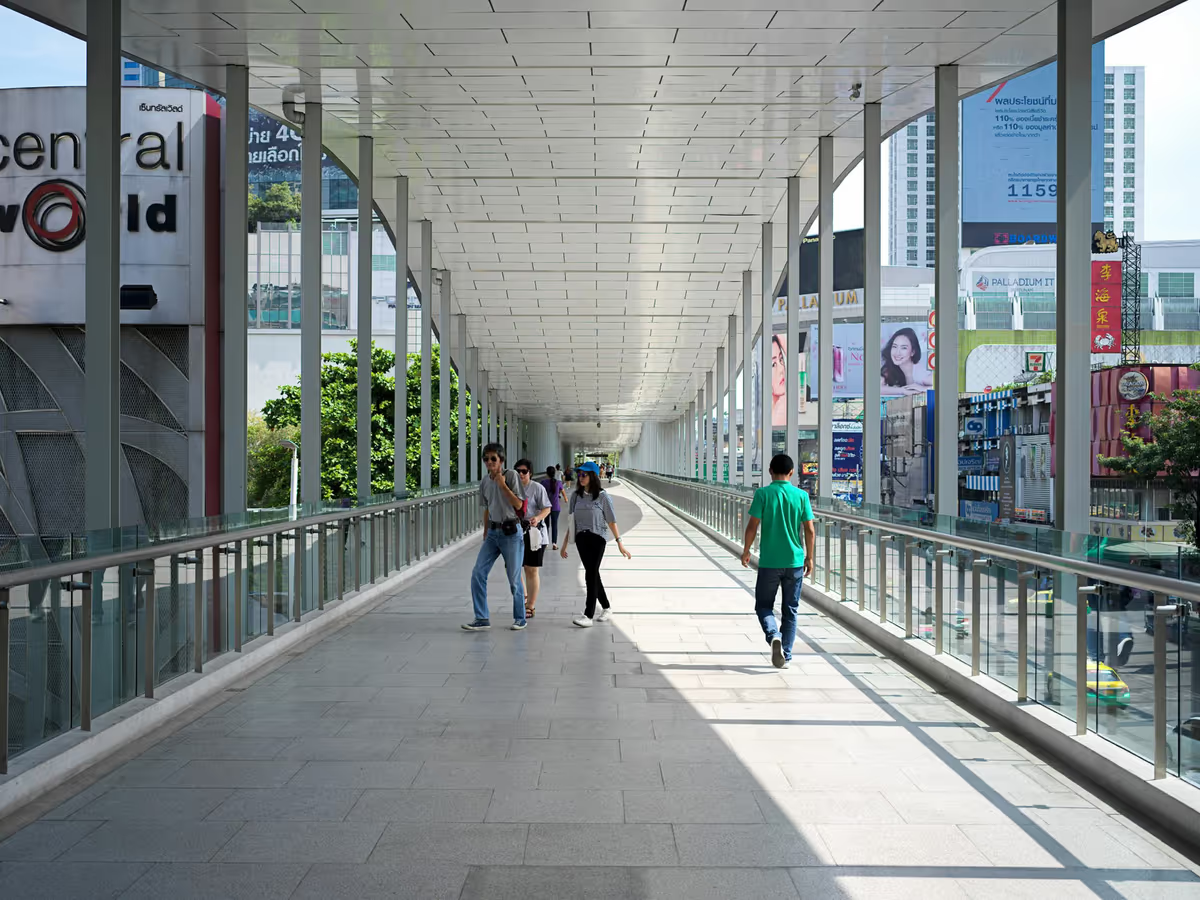
A retailer leased space in a Bangkok shopping mall. Besides the annual 10% increase, the contract allowed the landlord to revise the rate every 18 months without consent. Under such terms, a tenant cannot plan the payback of a store. The contract also did not guarantee that terms would survive a change of building owner.
Section 569 of the Code preserves a lease when ownership of the property changes. But side agreements not included in the registered contract can be challenged by the new owner. In the end, the rate was fixed and protective mechanisms were written in, saving $5,000 per year.
Budget match
We will shortlist properties for your budget
Pick a range and leave a contact: a broker will send a shortlist with prices, layouts and payment plans.
How to protect yourself: one indexation formula instead of two, a cap on rate growth, and an explicit clause transferring all obligations to any new owner.
Buyer-only penalties in a construction contract
In Pattaya, an investor was buying an off-plan condo. The contract detailed penalties for his late payments but said nothing about late handover. Quality standards were vaguely worded.
Many assume a developer's standard contract is non-negotiable. This case shows the opposite: penalties for construction delays, clear quality standards and balanced payment terms were all added.
One caveat. Section 383 of the Code allows a court to reduce a disproportionately high penalty. So pushing for an enormous penalty is pointless, while a token penalty offers no protection. The goal is an amount comparable to your real loss from a delay, such as lost rental income.
How to protect yourself: mirrored penalties, an appendix specifying materials and finishes, and the right to terminate with a refund of payments if the delay exceeds an agreed period.
Business contracts around the property
Investors who buy property for a business sign more than the property contract. In Koh Samui, a company obtained brand rights from a foreign firm for a tourism business. The contract had no intellectual property protection, and the licensor could terminate abruptly without compensation. After the contract was reworked, it carried protection guarantees and compensation terms, preventing potential losses of around $100,000.
In Bangkok, a restaurant franchise agreement did not allocate marketing costs and allowed royalties to be changed unilaterally. In the new version, royalties were fixed and marketing obligations spelled out.
How to protect yourself: any payment the other party can change on its own must have a formula and a cap.
Signing the English version without checking the Thai one
The Land Office registers documents in Thai. If the English translation given to the buyer differs from the Thai text, the Thai version may prevail in a dispute.
How to protect yourself: have a lawyer compare both versions, and state in the contract which one takes priority.
Ignoring the nominee and ownership-structure checks
As of summer 2026, Phuket authorities have broadened scrutiny of companies and land parcels that may rely on Thai nominees instead of real owners, with a focus on coastal villas, hospitality properties and land held through a company. Due diligence now has to go beyond location and price to who actually owns and controls the entity behind the land.
How to protect yourself: avoid nominee structures entirely, and have your lawyer verify the ownership and control chain of any company involved in the deal.
FAQ
What is contract due diligence when buying a villa in Phuket?
It is a line-by-line review of all transaction documents by a lawyer who represents only you. The focus is on links between contracts, grounds for termination, and terms the seller can change unilaterally.
Can a developer's standard contract be changed in Thailand?
Yes. In the Pattaya case, the buyer secured penalties for construction delays and clear quality standards. Large developers concede less often, but individual clauses are almost always negotiable.
What is cross-default in a land lease?
It is a clause under which a breach of one contract gives the right to terminate others. For a leasehold villa, it means the risk of losing the land because of a dispute over servicing.
Does Land Office registration protect against all risks?
No. Registration secures the lease right for up to 30 years. But unfair terms, if they are in the registered contract, also become binding.
How much does a contract review cost?
By market estimates, reviewing a villa document package costs tens of thousands of baht depending on scope. That is a small fraction of the potential losses in the cases above.
Do I need to attend the signing in person?
You can act through a power of attorney, but for a deal worth hundreds of thousands of dollars it is better to inspect the property yourself and meet your lawyer. Set aside at least one day to go through the contracts with your lawyer.
What if the seller refuses to remove a clause?
That is also a result of the review. A seller who insists on the right to terminate a land lease over a utility bill shows how they will behave in a dispute. Most often, the right decision is to walk away.
Does the 49% condo quota remove the need for due diligence?
No. It simplifies the title structure for a completed freehold condo, but you still need to confirm the quota is available, verify the developer, and review the sale contract.
Source: Siam Legal Phuket
Ready to invest in Thailand? Our experts will help you find the perfect property.
Area match
We will help you choose an area for your goals
We will match properties where it suits you, with schools, clinics and shops nearby. You will get options with prices and layouts.
More in Legal matters
All articles in this topic
Thailand Citizenship at 100 Million Baht: What Could Change for Foreigners
Thailand may raise the naturalisation investment threshold from 10M to 100M baht. Not yet approved. Here is who is affected and what to do now.

Freehold Condo in Thailand: What Happens After 50 Years
What happens to a Thai freehold condo after 50 years? Land share, the 1-year foreign sale rule, 5% fee, sinking fund costs and risks explained for 2026.

Khao Phansa 2026: Two Holidays That Can Delay Your Thai Property Deal by a Week
29-30 July 2026 close Thai banks and Land Offices. Learn how Khao Phansa can delay your property transfer, and how to plan your deal around it.