
Fifth Prime Minister Ousted in 17 Years: What It Means for Thailand's Property Market
Fifth Prime Minister Ousted in 17 Years: What It Means for Thailand's Property Market
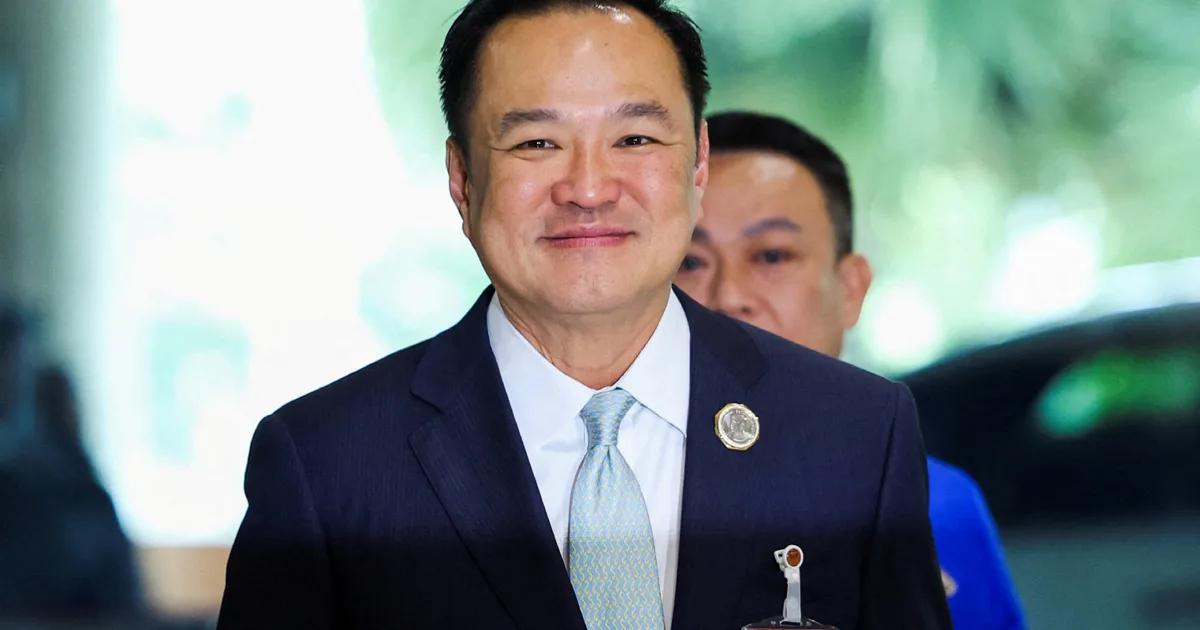
On August 29, 2025, Thailand's Constitutional Court removed Prime Minister Paetongtarn Shinawatra from office. The formal reason was an ethics violation related to a phone call with former Cambodian Prime Minister Hun Sen. This marks the fifth time in 17 years that the country's highest court has dismissed a sitting head of government. For international investors in Thai real estate, the question is straightforward: is it time to panic - or time to act?
Why Does Thailand Change Prime Ministers So Often - and How Does It Affect the Economy?
Thailand is a parliamentary monarchy where the Constitutional Court holds the exclusive power to remove a prime minister. Since 2008, this power has been exercised five times. Somchai Wongsawat, Samak Sundaravej, Yingluck Shinawatra, Srettha Thavisin - and now Paetongtarn. Each removal triggered short-term turbulence, but none resulted in an economic collapse.
The reason is simple: Thailand's economic engine does not depend on the figure of the prime minister to the degree seen in authoritarian regimes. The Bank of Thailand operates autonomously. Foreign investment regulations in real estate are governed by the Land Code and the Condominium Act - legislation that has remained unchanged through multiple government transitions.
Phumtham Wechayachai was appointed as caretaker prime minister. Under the constitution, parliament must elect a new leader, though no strict timeline is mandated. Typically, the process takes anywhere from a few weeks to several months, depending on coalition negotiations between parties.
The key signal for investors: the political mechanism is functioning within constitutional boundaries. The court issues its ruling, a caretaker is appointed, and parliament forms a new government. There is no military coup, no state of emergency.
How Does Political Instability Affect Property Prices in Thailand?
The track record over the past 17 years offers a clear answer: short-term uncertainty - yes; long-term damage - no.
After the removal of Yingluck Shinawatra in 2014 and the subsequent military coup, Bangkok's condominium market stalled for two to three quarters before recovering. In Phuket and Pattaya, the dip was even less noticeable, as these markets are driven by international buyers whose decisions are shaped by the baht exchange rate, rental yields, and tourist arrivals rather than domestic politics.
The current situation actually looks more favorable:
-
The baht remains stable. The exchange rate against the dollar fluctuated within normal volatility ranges after the dismissal was announced - no panic-driven spikes.
-
Tourist arrivals are growing. Thailand continues to welcome record numbers of visitors in 2025, underpinning strong rental yields.
-
The construction sector has not slowed down. Major developers have not announced project freezes - they have long learned to operate through frequent government changes.
-
The regulatory environment is predictable. Rules governing foreign condominium purchases (up to 49% freehold ownership in any project) have not been revised under any change of government.
The only tangible risk is that a prolonged political vacuum could delay certain legislative initiatives. For instance, the much-discussed expansion of foreign land ownership rights may be shelved indefinitely. But this is a matter of missed opportunities, not actual losses.
Should You Buy Property in Thailand During Political Uncertainty?
Experienced investors understand a fundamental principle: the best deals are made when the market is nervous but the fundamentals remain strong. That is precisely what is happening right now.
Political instability in Thailand is cyclical and, paradoxically, systemic. The constitution provides a mechanism for government change through the courts, and every time the system completes this cycle without devastating consequences for the economy.
Here is what to keep in mind:
-
Don't delay decisions because of headlines. Those who waited for "stability" in 2014 missed double-digit price growth in Phuket.
-
Watch the baht. If political uncertainty weakens the national currency, purchases in dollars, euros, or pounds become even more advantageous.
-
Choose completed properties or projects from major developers - they have the financial reserves to finish construction regardless of who sits in government.
-
Focus on prime tourist destinations - Phuket, Koh Samui, Bangkok. Rental income in these locations is tied to global tourism flows, not Thai politics.
Over the past two decades, Thailand has weathered coups, floods, a pandemic, and five prime ministerial dismissals. The property market recovered and grew every single time. The current situation is not a crisis - it is another political cycle in a country where investment appeal is defined by geography, climate, and economic fundamentals, not by the name on the prime minister's door.
Ready to invest in Thailand? Our experts will help you find the perfect property.
Ready to start?
Answer 4 questions and we will prepare a personalised selection of property in Thailand.
What is your goal?