

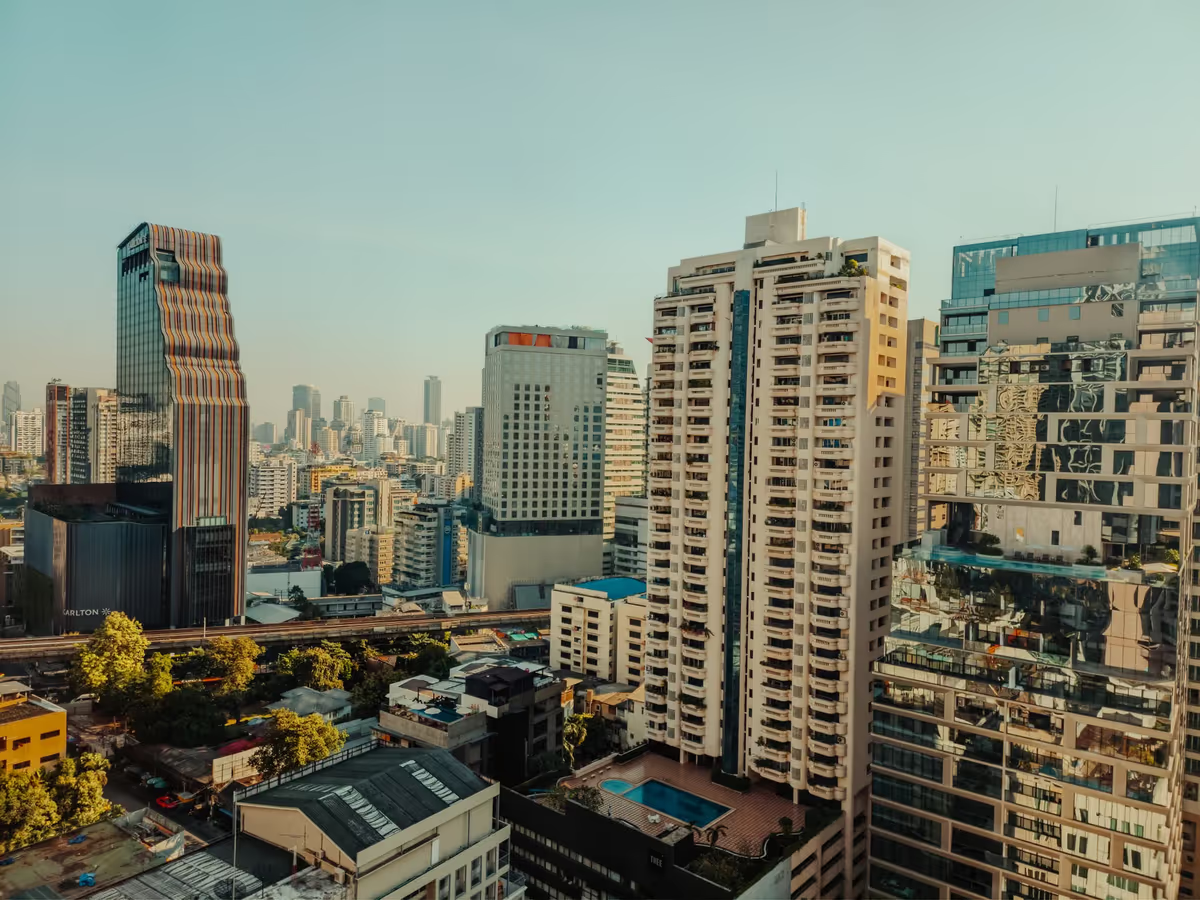
Photo by Earl Andre Roca on Pexels
Thailand Cuts Visa-Free Stays From 60 to 30 Days: What Residents and Frequent Visitors Need to Know
This material was prepared with the help of artificial intelligence and checked by a person. Editorial responsibility: Aster Of Asia Co., Ltd..
Responsible for content: Leonid Ustinov, Aster Of Asia Co., Ltd.
Aster of Asia editorial team
A traveler lands in Bangkok in January, gets a 60-day stamp and settles in comfortably until March. That routine is about to end. On 16 October 2026, the Ministry of Tourism and Sports announced that the visa-free period for tourists will be cut to 30 days, and the relevant agencies have already agreed to the idea in principle.
The change affects passports from roughly 93 countries and territories that currently receive 60 days on arrival. As of writing, the effective date, the list of exceptions and the transition rules have not been published. The old stamp is still being issued, but planning a 50-day trip for February is already risky.
Key Facts
- Visa-free entry is being reduced from 60 to 30 days. This is a return to the rule in place before 15 July 2024, when Thailand expanded the scheme to 60 days and 93 countries.
- The Minister of Tourism and Sports made the official announcement on 16 October 2026. The agencies have agreed among themselves, but no start date has been named.
- Official reasons: illegal work by foreigners and informal condominium rentals, which industry associations complained about. A long visa-free stamp made it easy to run a small business without a work permit.
- Extending the visa-free stamp at an immigration office costs 1,900 baht and normally adds another 30 days. The 30+30 route remains, but you have to visit the office with a photo, passport copies and a TM.7 form.
- The overstay fine is 500 baht per day, capped at 20,000 baht when you leave. If you overstay more than 90 days and report yourself, you will be banned from re-entering.
- The Thailand Digital Arrival Card (TDAC) is completed online, free of charge, within three days before arrival. It has been required since 1 May 2025 and has nothing to do with visa durations.
- Reports from Thai government channels say that once the revision is published in the Royal Gazette, the 60-day exemption for all 93 countries and territories will be revoked, the list for the 30-day tourist exemption will cover 54 countries, and a new 15-day exemption will be introduced for 3 countries or territories.
Story and Context
In July 2024, Thailand set out to get the most from its post-Covid recovery. The visa-free period went from 30 to 60 days, the country list grew to 93, and the DTV visa for remote workers was launched: 10,000 baht, five years, up to 180 days per entry. The logic was simple: let people stay longer and they will spend more.
The side effect showed up quickly. Sixty days plus a 30-day extension adds up to three months of legal stay without a single document proving income, insurance or purpose of visit. In Bangkok, Phuket and Chiang Mai, a whole group of people formed who live for years on tourist stamps. They cut hair, take photos, drive clients, run group chats for rentals and resell nights in other people's condos. Short-term rental without a hotel licence is prohibited under the Hotel Act, yet a good share of that business relied on people holding a tourist stamp in their passport.
It is uncomfortable to admit, but the cut hits the wrong people. Someone working illegally can enrol in a language school for 25,000 baht a year and get an ED visa. The person who loses freedom is the one who comes for two months in winter with a laptop and faithfully spends money on rent and restaurants.
The popular plan B stopped working a few years ago. A day trip to Cambodia or Malaysia to come back for a fresh stamp via a land border is allowed only twice per calendar year. By air there is no hard limit in the rules, but the officer at the border can refuse entry without explanation, and a series of short visa runs in a passport is the most common reason for refusal. Building your life in the country on the mood of one officer at Suvarnabhumi is a poor idea.
For comparison, 30 days is a perfectly ordinary regional norm. Indonesia gives 30, Vietnam 45, Malaysia 90, and Singapore 30 or 90 depending on the passport. Thailand is simply returning to the average after two generous years.
What changes the math is the price of the alternatives:
- DTV: 10,000 baht consular fee, 500,000 baht in savings to show, and either a remote work contract or approved activities such as Muay Thai, cooking classes or medical treatment. A further 180-day extension inside the country costs the same 10,000 baht.
- Retirement Non-O (age 50+): 800,000 baht in a Thai account for two months before applying, or income of 65,000 baht a month. Annual renewal costs 1,900 baht.
- Thailand Privilege card: starts from 900,000 baht for five years under the current price list.
- Long-stay visa for condo buyers or renters: a separate route clarified in 2026, covering a purchase of a condominium worth at least 3 million baht (foreign ownership capped at 49% of a project) or renting for at least 85,000 baht per month. It only matters if you are already considering a property in Phuket.
Against those numbers, 30 extra days on a tourist stamp looks minor, but it is exactly what decides whether you need a proper status at all.
Source: Thailand.go.th (Royal Thai Government)
FAQ
From what date will 30 days replace 60?
The date has not been announced. The agencies agreed to the decision in principle on 16 October 2026, but publication in the Royal Gazette and a Ministry of Interior order are still needed before it takes effect. The rule could start in any month, so don't buy non-refundable tickets for a trip longer than 30 days without a fallback plan.
Will I still be able to extend 30 days inside the country?
Yes. The 30-day extension for 1,900 baht at an immigration office has not been cancelled. Apply before your stamp expires, ideally a week ahead. You will need a 4x6 photo, copies of your passport and entry stamp pages, a TM.7 form and an address matching your TM.30 notification.
Does this affect property owners in Thailand?
Not directly. Buying a condominium does not give you visa status and never has. It does matter indirectly if you come to your own apartment for two months in winter. With a 30-day stamp you will either have to extend it or arrange a visa in advance at a consulate.
What is cheaper if I visit for two months several times a year?
Work it out per year. Two 60-day visits mean two extensions at 1,900 baht each, so 3,800 baht in total and two trips to the immigration office. A DTV costs 10,000 baht once every five years and removes the problem entirely if you qualify and have 500,000 baht in your account. With three or more trips a year, the DTV pays off immediately.
Is it true that frequent entries can get you refused?
Yes. A border officer can refuse entry without giving a reason, and that won't change. A chain of short visa-free entries in a row raises suspicion, especially overland. No more than two visa-free land entries are allowed per calendar year.
Do I need to do anything now if I am in Thailand on a 60-day stamp?
No. A stamp already issued is valid until the date written on it and is not shortened retroactively. Transition measures usually protect those who have already entered.
How will this affect renting a home?
Owners and agents in Phuket and on Samui are already reluctant to sign contracts shorter than a month because of the ban on short-term rental without a hotel licence. Cutting the visa-free period is more likely to push demand toward one-month contracts with prepayment and a deposit in a single payment.

Do the TDAC and the 90-day report change?
No. The arrival card is filled in online, free of charge, three days before departure, and has been required since 1 May 2025. The 90-day report is for people staying in the country on a visa continuously for more than three months and has nothing to do with tourist stamps.
The takeaway is simple. If you spend more than 90 days a year in Thailand, stop living on tourist stamps: arrange a DTV, Non-O or education visa before the rule changes. Applying from a third country such as Kuala Lumpur or Vientiane usually takes three to ten working days, and it is convenient to book flights in advance for it. If you fly in twice a year for three weeks, this doesn't affect you at all and there is nothing to do.
Ready to invest in Thailand? Our experts will help you find the perfect property.
Planning to live in Thailand?
We will match relocation-ready property and explain the visa options.
What is your goal?