
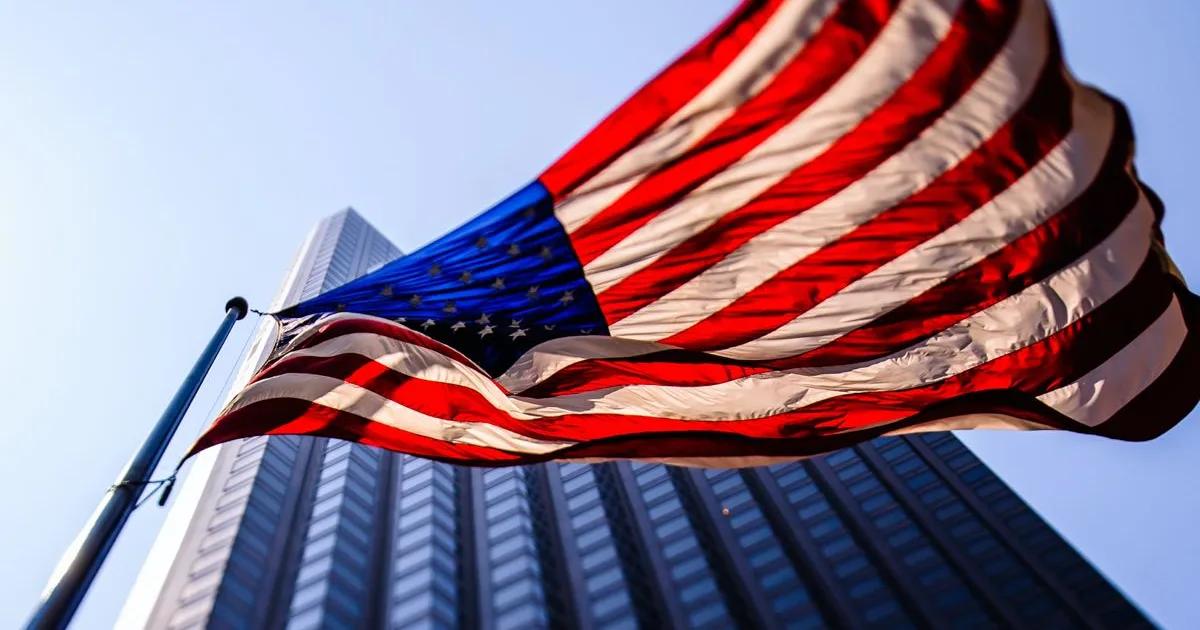
Photo by Info Wetherby on Pexels
The Amity Treaty: How Americans Own 100% of Business in Thailand
In 1966, the US and Thailand signed an agreement that still grants American entrepreneurs a privilege unavailable to any other nationality: full business ownership without a Thai partner. The Treaty of Amity and Economic Relations has been in force for over half a century - and it shaped how foreign capital flows into one of Southeast Asia's most dynamic economies.
For international investors navigating Thailand's ownership landscape, understanding the Amity Treaty reveals exactly why the rules differ depending on your passport.
What the Amity Treaty Offers
Signed on 16 May 1966 and effective from 1968, the treaty allows American citizens and majority-American companies to hold 100% equity in Thai businesses across most sectors.
All other foreign nationals fall under the Foreign Business Act 1999, which caps foreign ownership at 49% across dozens of industries - from retail to services.
American firms operating under the treaty must obtain a certificate from Thailand's Department of Business Development, proving genuine US control. The process is not automatic, but the privilege itself is unique.
Key exclusions apply:
- Banking and financial services
- Natural resource extraction
- Agriculture on state-owned land
- Certain domestic trade categories
- Direct land ownership - restrictions remain fully in force
This last point matters most for property investors. The Amity Treaty eases business operations but does not remove the foreign land ownership prohibition.
Jim Thompson and the Power of the Right Structure
Former OSS officer Jim Thompson arrived in Bangkok in 1945 and transformed a dying craft into a global luxury brand. His Thai Silk Company - built on preferential US-Thai arrangements predating the formal treaty - combined foreign capital and marketing with authentic Thai craftsmanship.
Thompson's silk reached Vogue, Broadway, and European aristocracy. His model proved that cultural respect and smart legal structure create lasting value. Thompson disappeared in the Malaysian jungle in 1967, but his brand endured.
His museum, opened in 1976, draws over 320,000 visitors annually - making it one of Southeast Asia's most visited private museums.
Key Lessons for International Investors
-
Ownership structure is everything. The Amity Treaty is exclusive to Americans. For other nationalities, alternatives include BOI licenses, Thai partnerships, or special economic zone registration.
-
Property follows separate rules. Condominiums are available to foreigners within a 49% foreign quota per project. Long-term land leases of 30 years with renewal options offer another route.
-
Cultural alignment is strategy. Thompson succeeded because he respected local craft and community. Investors who approach Thailand with a transactional mindset consistently underperform.
Thailand rewards those who understand its rules and work within them.
Ready to invest in Thailand? Our experts will help you find the perfect property.
Ready to start?
Answer 4 questions and we will prepare a personalised selection of property in Thailand.
What is your goal?